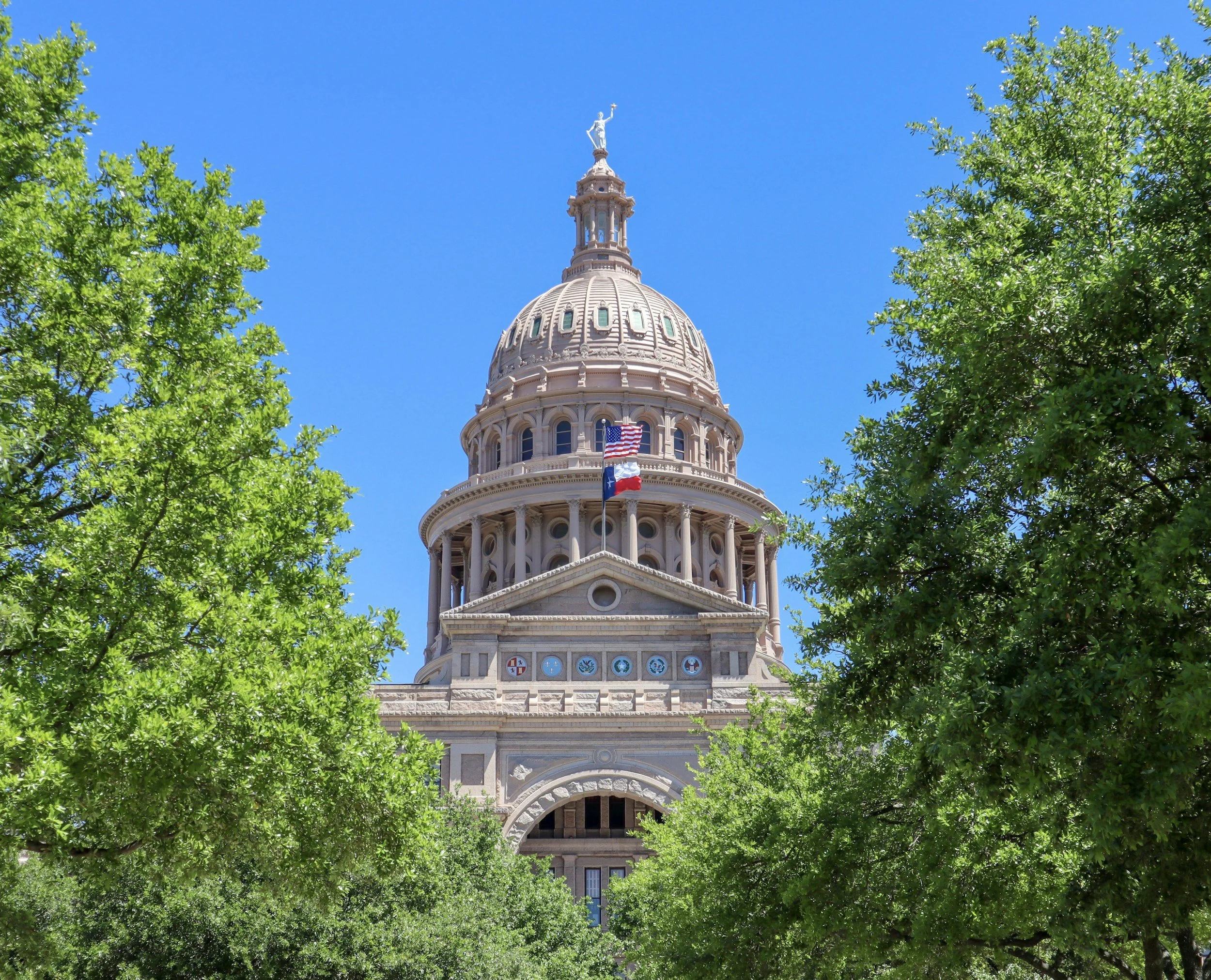
Public Offices in Texas
– What are their roles?
-
The Governor is the chief executive officer of the state. They oversee the administration of state government, sign or veto bills passed by the Legislature, and serve as the commander-in-chief of the Texas National Guard.
-
The Lieutenant Governor presides over the Texas Senate, assigns bills to committees, and represents the state in official functions. They also succeed the Governor in case of vacancy.
-
The Attorney General is the state’s chief legal officer. They provide legal advice to state agencies, represent the state in legal matters, and enforce consumer protection laws.
-
The Comptroller manages the state’s finances, including tax collection, auditing, and financial reporting. They play a crucial role in budgeting and fiscal matters.
-
This office oversees state-owned lands, mineral rights, and coastal resources. They manage public lands, oil and gas leases, and environmental conservation efforts.
-
Responsible for agricultural policies, promoting Texas agriculture, and ensuring food safety. They oversee programs related to farming, ranching, and rural development.
-
The Railroad Commission regulates the oil and gas industry, pipelines, and surface mining. It ensures safe and efficient energy production.
-
The Chief Justice leads the Texas Supreme Court, which handles civil and juvenile cases. They also oversee the state’s judicial system.
-
These justices serve on the Texas Supreme Court and decide legal matters related to civil law, constitutional issues, and appeals.
-
The presiding judge leads the Texas Court of Criminal Appeals, which handles criminal appeals, writs of habeas corpus, and other criminal matters.
-
These judges serve on the Court of Criminal Appeals and handle criminal cases, ensuring due process and justice.
-
Chief executive and presiding officer of the county. They Preside over the Commissioners Court, Acts as the county’s chief administrative officer, oversees county operations, budget execution, and emergency management, in smaller counties, may also hear certain probate or misdemeanor cases and represents the county in intergovernmental matters.
-
Legislative and executive governing body member. They serve on the Commissioners Court, adopt the county budget and tax rate, set county policy and approve contracts, oversee roads, bridges, and infrastructure in their precinct, supervise county departments assigned by the court.
-
Chief law enforcement officer of the county. They operate the county jail, provide law enforcement in unincorporated areas, serve warrants, subpoenas, and civil process, provides courthouse security, may manage patrol, investigations, and specialized units.
-
County tax administrator. They assess and collect property taxes for the county and other taxing units, register motor vehicles and issues license plates, collect certain fees and fines, voter registration duties in many counties.
-
Official record keeper for the county. They maintain records of the Commissioners Court, record real property documents (deeds, liens), issue marriage licenses, maintain birth and death records, and oversee early voting and election administration in some counties.
-
Clerk of the district courts. They maintain records for district courts, manage criminal and civil case filings, collect court fees and fines, maintain jury records for district courts
-
Chief felony prosecutor for the district. They prosecute felony criminal cases, represent the state in district courts, advises law enforcement during investigations, represents the state in child support enforcement (in many districts)
-
Prosecutor and legal counsel for the county. They prosecute misdemeanor cases, represent the county in civil matter, advises county officials on legal issues, may handle juvenile cases (varies by county)
-
County financial custodian. They manage county funds and accounts, receive and disburses county money, maintain financial records, assists with investment of county funds (as authorized) (Not all counties have this office.)
-
Local judicial officer. They handle minor civil cases (small claims, evictions), preside over justice court misdemeanors, conducts inquests, perform marriages, issue warrants and magistrate duties
-
Peace officer of the justice court. They serve civil process (evictions, writs), provide courtroom security for JP courts, execute warrants, perform patrol duties in some precincts
-
Chief elected official of the city. They preside over city council meetings, represent the city publicly and ceremonially, provide leadership and policy direction, may vote on council matters (varies by charter), may have veto power in some cities
-
Legislative body of the city. They pass city ordinances and resolutions, adopt the city budget and tax rate, approve contracts and appointments, set policy for city operations, represent residents of districts or wards
-
Chief administrative officer. They implement city council policy, oversee all city departments, prepare the city budget, hire and supervise department heads, manage day-to-day city operations.
-
Official record keeper and elections officer. They maintain city records and ordinances, oversee municipal elections, keep minutes of council meetings, manages public information requests.
-
Judge of municipal court. They hear cases involving city ordinance violations, handle traffic and misdemeanor cases, issue warrants and conduct magistrate duties.
Democratic Party Positions
- What are their roles?
-
The overall leader of the party in Texas.
Set strategy for winning elections statewide
Lead fundraising efforts and manage party resources
Serve as the public face and spokesperson
Oversee staff, messaging, and long-term planning
Think of this as the “CEO” of the party organization
Party chairs are typically “organizer, fundraiser, recruiter, and messenger” all in one
-
Second-in-command to the Chair
Help manage party operations
Step in when the Chair is unavailable
Often oversee internal party functions (committees, outreach, etc.)
-
Head of fundraising strategy.
Plan and execute fundraising campaigns
Work with donors and finance committees
Ensure the party has money for campaigns, staff, and organizing
This is critical because parties rely heavily on fundraising to function
-
Governing body of the party between conventions.
One man + one woman from each state senate district (31 districts total)
Plus the Chair and Vice Chair
Make official party decisions
Set rules and policies
Approve budgets and strategy
Elect certain party officers when needed
Think of this as the “board of directors” of the party.
-
Selected through precinct → county → state conventions,
Vote on the party platform (policy positions)
Elect party leadership
Choose delegates to the national convention
State Convention
Held every 2 years
Purpose:
Finalize party platform
Elect leadership (like the Chair)
Certify candidates for the ballot
-
Leader of the party in a specific county.
Organizing and Leading: County Chairs are responsible for organizing and leading the Democratic Party at the county level. They serve as a bridge between the state party and local communities.
Party Representation: County Chairs are the public face of the Democratic Party in their respective counties. They represent the party’s values, principles, and candidates.
Elections and Campaigns:
Voter Engagement: They work to identify, register, and inspire voters within their county.
Candidate Support: County Chairs support Democratic candidates running for various offices, from local to federal levels.
Campaign Coordination: They coordinate campaign efforts, including organizing events, canvassing, phone banking, and fundraising.
County Conventions: County Chairs oversee the organization of county conventions, where local Democrats gather to discuss party business, elect delegates, and adopt resolutions.
Collaboration: They collaborate with other county party officials, precinct chairs, and volunteers to strengthen the party’s presence and impact.
Advocacy and Outreach: County Chairs advocate for Democratic policies and engage with community organizations, elected officials, and activists.
-
Second-in-command to the County Chair.
Help manage party operations
Step in when the Chair is unavailable
Often oversee internal party functions (committees, outreach, etc.)
-
The Executive Director of Operations, Communications, and Organizing serves as the chief implementer of strategy for your local Democratic Party, overseeing all day-to-day functions of the party while directing statewide messaging and grassroots mobilization efforts.
This role ensures alignment between internal operations, public communications, and voter engagement to maximize electoral success.
-
County Chair + all Precinct Chairs.
Administer primary elections
Organize local campaigns
Recruit candidates and volunteers
This is the main decision-making body at the county level.
-
The most local party official (small neighborhood-level district).
Organize voters in their precinct
Knock doors, register voters, build turnout
Run precinct conventions
Serve on the County Executive Committee
This is the front line of the party, closest to voters.